
Georgetown vs. Hutto vs. Manor, TX: A Guide to Buying New Construction Homes
You walk into a model home and everything looks perfect. The lighting, the finishes, the kitchen that nobody has ever actually cooked in. But before you get excited about that beautiful floor plan or the view from the backyard, there are questions you need to ask that most buyers skip.
This is part 2 of our Georgetown versus Hutto versus Manor comparison, and we're covering what happens after you fall in love with a community. We're talking about the details that change your monthly payment, the amenities that might not exist yet, and the land behind your fence that you don't actually control. We live in Manor, we tour these communities every week, and we want you to know what you're buying before you sign.
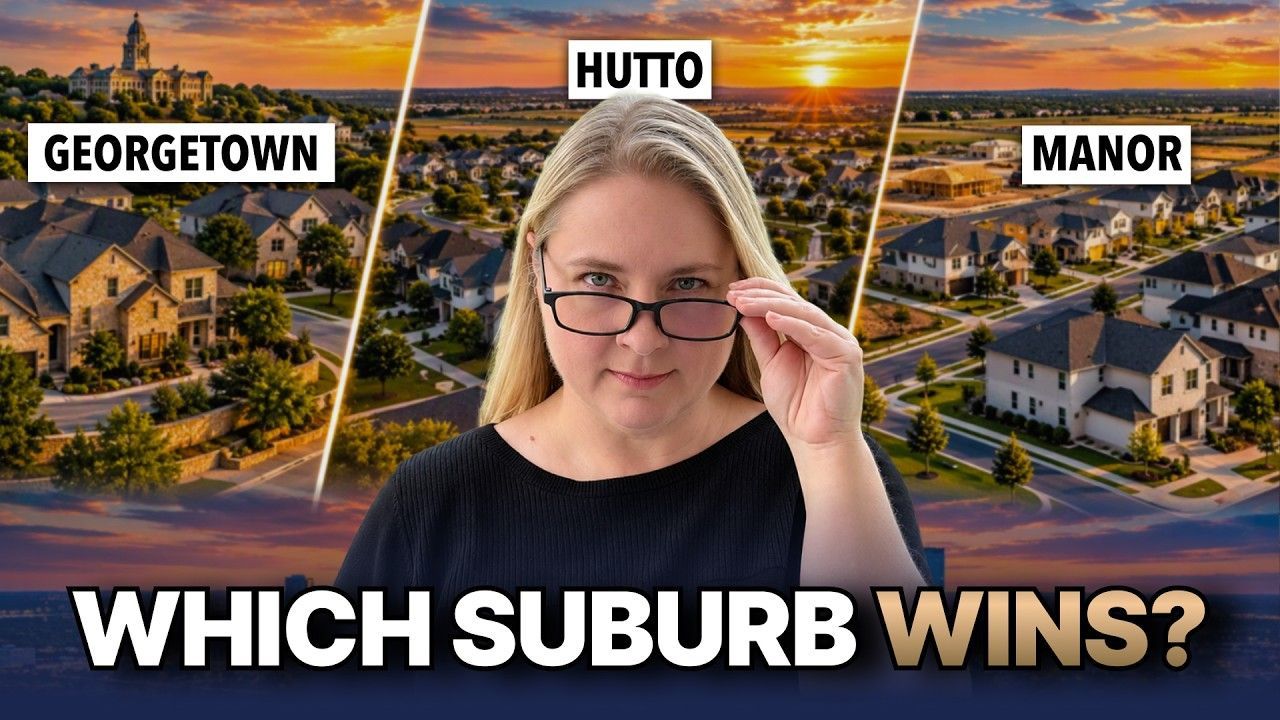
We'll walk through Georgetown, Hutto, and Manor in that order, then compare how different buyers would choose between them. Because the answer depends on your budget, your timeline, and which homes are actually available when you're ready.
Table of Contents
Comparing Builders: Same Name, Different Product
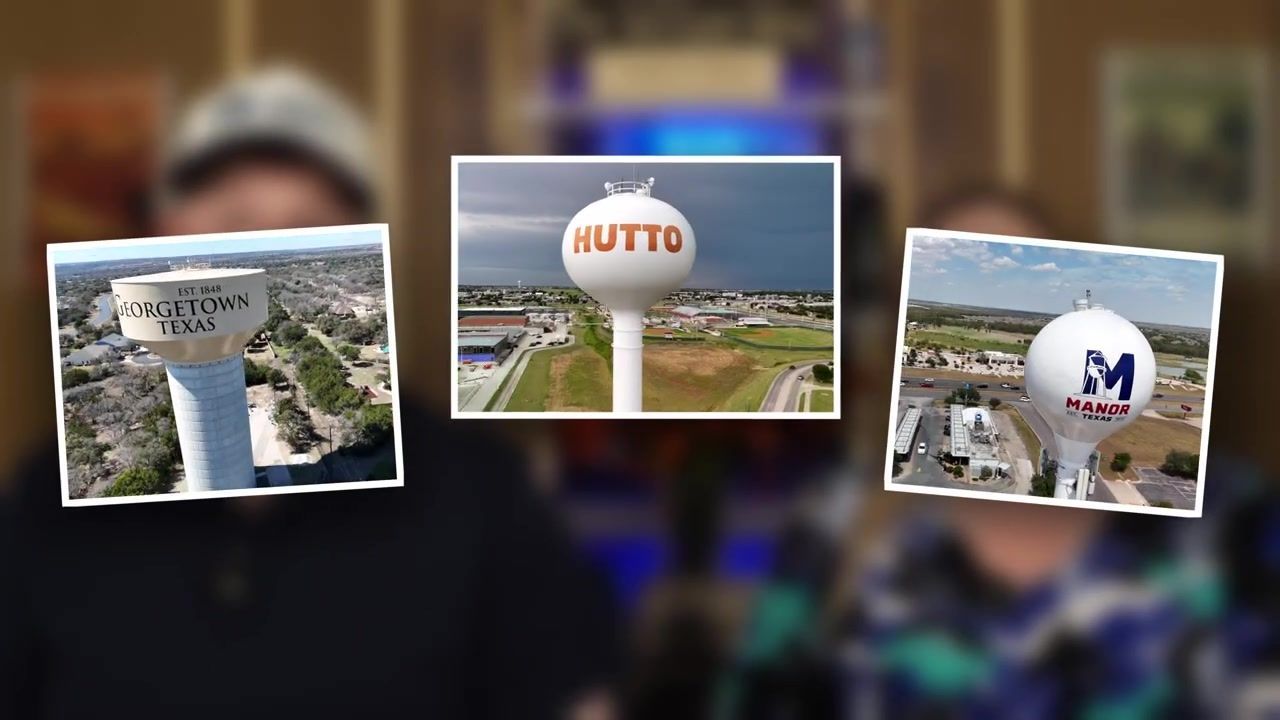
Seeing the same builder's name in Georgetown, Hutto, and Manor doesn't mean you're getting the same product. The same builder may have different floor plans, included features, incentives, and contract terms from one community to another. So before you assume that the home you toured in one city matches what's available in another, you need to compare the actual details.
Let's start with the floor plan. You walk into a model home and everything looks amazing. Beautiful finishes, upgraded lighting, a decorated office, and a kitchen that looks like nobody has ever cooked a meal in it. That's because nobody has. I always wonder where they hide the regular stuff, the phone chargers, the paperwork, the things people actually leave on the counter. They don't exactly decorate model homes to show you where Matthew would leave his keys, but that would be valuable information.
The important question is which features are actually included in the home you're considering. The model might have upgraded flooring, cabinets, appliances, lighting, or structural options, and the actual inventory home may have different selections. So ask for the included features and final price for the exact home you're looking at. Don't compare starting prices from a sign. Compare what you're actually getting.
Two homes with the same floor plan can be very different depending on where they're located within the community. One might have a larger backyard, another might sit near an entrance, a third could back up to land that hasn't been developed yet. Some builders charge lot premiums for a particular location or features, and our job is to try to negotiate those costs down.
Lot Premiums and Backyard Views
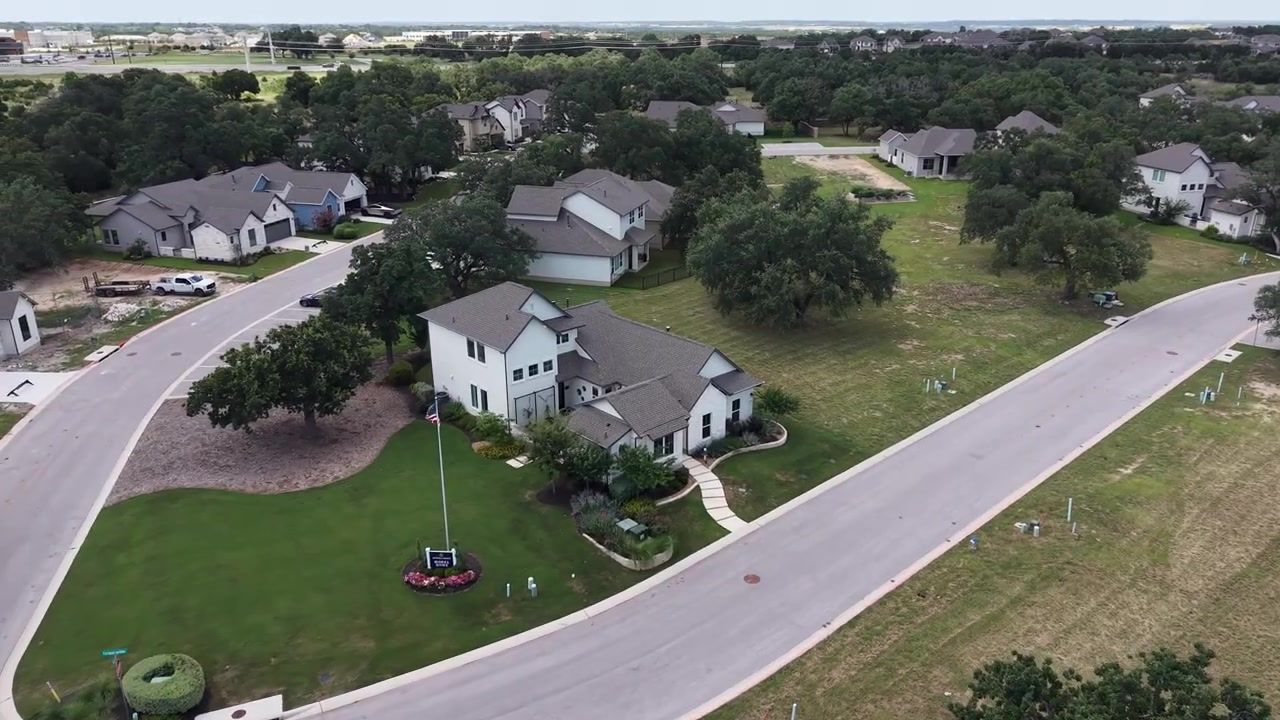
If you're paying extra for a lot because you like the view behind it, what exactly are you paying for? The lot identified in your purchase contract. Not necessarily the land beyond your property line. That's an important distinction.
If the builder says that open space is a great feature, I'd want to know whether it's protected open space, part of another development phase, or land owned by somebody else. And what's documented. Make sure you get the information from the builder in writing. Because paying extra for a lot with a view doesn't give you control over what happens on the other side of your fence.
Here's an example. You find a home with a backyard facing an undeveloped parcel, and the builder is charging a lot premium for that location. Before paying extra, we'd want to research ownership, land use rules, and any available proposals or approvals. The builder can sell you the lot, but that doesn't give you control over land owned by somebody else. People will sometimes hear open view and mentally translate that to a permanent open view, and those are not the same thing.
Let's say the public records show there's a development application for the parcel. That doesn't mean the project is guaranteed to be built exactly as proposed, but it does mean you have information worth understanding before paying a premium for that lot. Look at what's there today, review what can be verified about future plans, and understand where the uncertainty remains. Or work with us and we'll do that for you.
Builder Incentives: What You're Actually Getting
You might see a builder advertising money toward closing costs, a temporary mortgage rate buydown, or a price reduction. A big incentive can get your attention pretty quickly, but you need to know which homes qualify and what conditions apply.
For example, whether the offer requires using a preferred lender or if you can use your own, which might lose you those special incentives. And whether the incentive can be combined with another promotion. If the builder is offering $20,000, don't automatically assume you're receiving a $20,000 reduction in the price. A closing cost contribution and a purchase price reduction affect your finances differently, and you need to compare the written financing terms, not just the advertised monthly payment.
We both like to understand exactly what we're getting before deciding whether an offer makes sense. And we like to negotiate. But I also like having the details before the conversation starts, in writing, which is why we work so well together.
The bottom line is that you don't compare two builders using only starting prices or promotional signs. You compare the actual homes, their lots, their included features, their financing terms, and the final costs. We want to hear from you whether you're buying new construction today. Which city would you like to start in: Georgetown, Hutto, or Manor? Leave it in the comments and tell us what matters most in your decision. Is it the commute, your monthly payment, a particular builder, or finding the floor plan you want? If there's a specific community you've been researching, let us know.
Community Amenities and HOA Fees
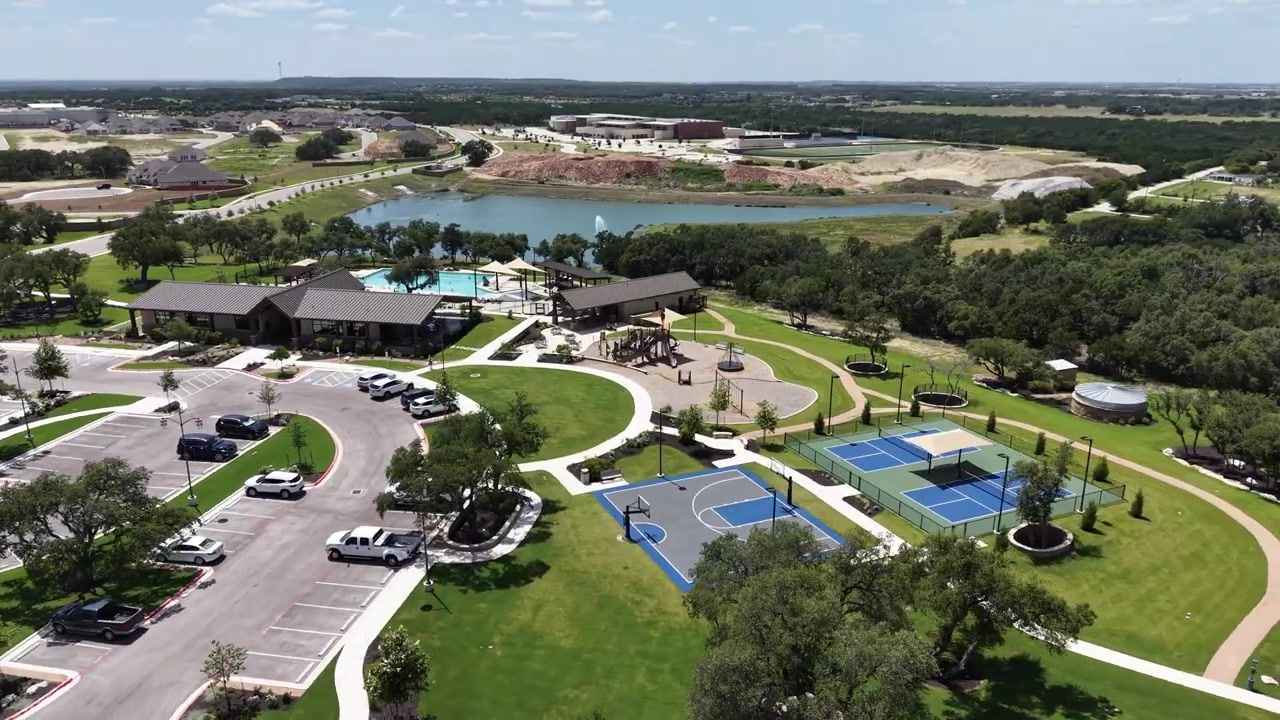
When you buy new construction, you're not just choosing a floor plan. You're also choosing a community with its own amenities, rules, and ongoing obligations. Some of these community brochures look fantastic, pools, trails, parks, gathering spaces, and fitness facilities. But before you get excited, you need to know what already exists, because a picture of a pool isn't the same as a finished pool, and a proposed amenity center isn't necessarily something you'll be able to use the day you move in.
I think builders should put the construction status right next to the picture. A beautiful pool, currently a patch of dirt. I'm just asking for accuracy. And accuracy is exactly what we want. For each community, ask what's completed, what's under construction, what's approved, and what's still proposed, because those are very different stages.
Imagine you're comparing a more established community in one city with an early-stage development in another. The established community might already have roads, amenities, and surrounding homes in place, and a grocery store, which is important. The newer community may offer different lot choices or opportunities to purchase earlier in the construction process, but it could also mean ongoing construction nearby and amenities that haven't been completed. Neither situation is automatically better. You just need to understand which one works for you.
Let's talk about HOA dues, because those amenities don't maintain themselves. If the property is part of an HOA, review the governing documents, dues, restrictions, and financial information available to buyers. If you're planning to add something after closing, make sure you understand the rules. That can include exterior changes, landscaping, certain structures, or other modifications. You don't want to buy a home assuming you can add something later, then discover that the restrictions don't allow it, like a shed, gazebo, or pool.
Don't assume an amenity belongs to your development just because it's shown on a nearby community map. That's a very important distinction. We need to know which facilities are included for the actual property and who maintains them.
Let's say a builder is promoting future retail near a community, maybe a grocery store, restaurants, or another commercial development. I'd want to know what's actually confirmed. That's why Alisha deep dives permit applications all around the Austin suburbs. There is a big difference between proposed retail area and a store with a signed lease and construction underway. And if a grocery store eventually opens, we might have to investigate that ourselves. You mean go shopping, right? I call that research. Maybe a taste test. It's strictly for our viewers. You're very committed to that part of the research. Yes, I am. We pride ourselves on quality because we like you and we want you to be the first to know the tastiest treats around.
But until something is actually built and available, don't make your purchase decision depend on it. Treat future amenities as something to investigate, not something you're automatically getting today. When we moved to Manor, that's what we did, because it took years to build the H-E-B, Home Depot, and other stores at Manor Crossing. It was worth the wait though.
Georgetown
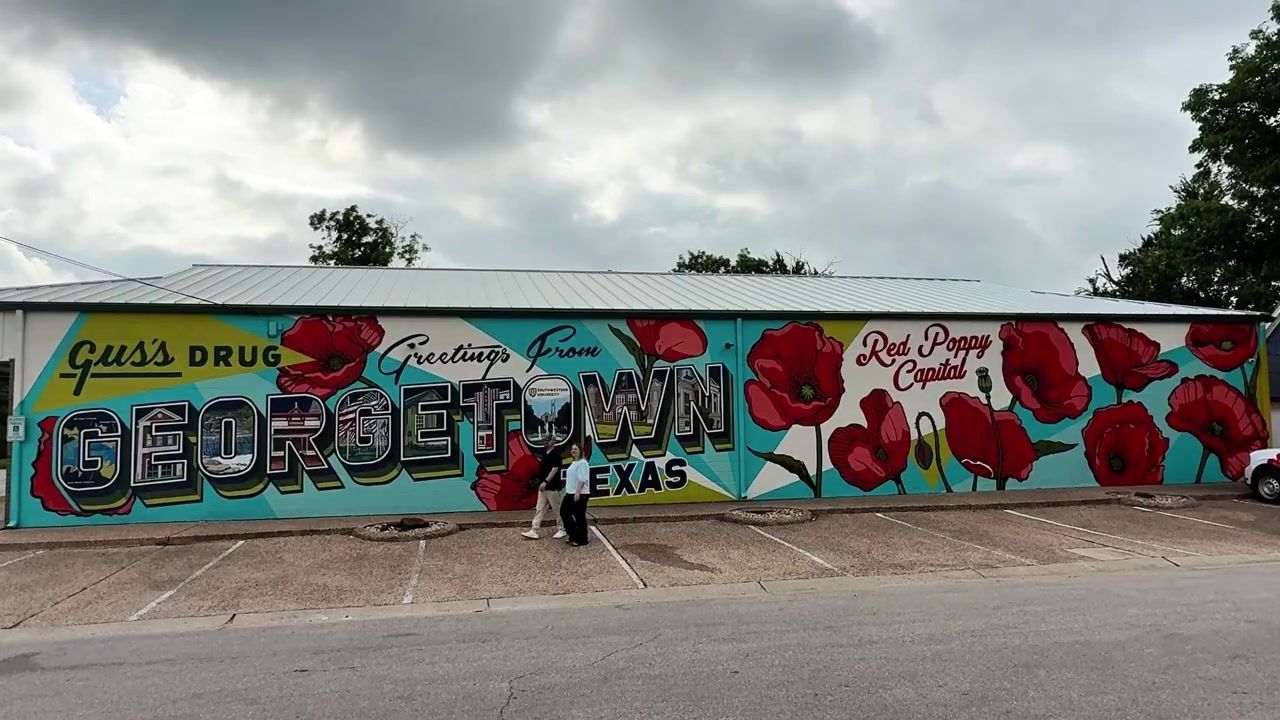
Georgetown sits north of Austin, and that location is one of the first things people mention when they're comparing suburbs. But being north doesn't automatically make it the best choice for North Austin commuters, and it's one of the furthest suburbs from downtown Austin. You need to look at the specific community locations and the routes to your actual workplace, not just the city name.
Georgetown has different development areas at different stages, and communities on one side of Georgetown may have very little to do with lots on the other side. So if somebody tells you about a retail center, employment project, or roadway improvement coming nearby, we'd like to verify the status and whether it actually relates to the community you're considering. A development on the other side of Georgetown may have very little to do with the lot you're buying.
When you're evaluating a community in Georgetown, don't assume that every announced project applies to your neighborhood. We want to know what's documented, what's under construction, and what's still proposed. Because an announcement is not the same as a completed project, and an approved plan isn't the same as construction.
What to Verify Before Buying in Georgetown
Before you commit to a home in Georgetown, research the specific community's location within the city. Look at the surrounding parcels, the transportation connections, and any public infrastructure projects that could affect how you enter or exit the community. Ask about the existing road conditions and whether there are documented plans for changes. Just because a road appears on a future plan doesn't mean it will open when you move in.
If a builder is promoting future retail or commercial development near a Georgetown community, verify whether those projects have signed leases and construction underway, or whether they're still proposals. We've seen plenty of announcements that didn't turn into finished projects on the timeline people expected. Don't pay a lot premium for a view or a location based on something that hasn't been built yet.
Hutto
Hutto sits in the northeast Austin suburbs, and people love the hippos mascot. We actually had a client buy a home in Hutto specifically for the hippos. Seriously, they were like, we're ready to be Hutto hippos. It was so cute, and they didn't want to look anywhere else. They are relocation buyers from San Diego. Shout out, Haradas.
But beyond the mascot, Hutto has some important developments happening that buyers need to know about. Blue Origin just chose Hutto for operations, which immediately changes some plans. That's the kind of announcement that can shift the trajectory of a city, but it's also a reminder that future development is not the same as completed infrastructure.
When you're evaluating a community in Hutto, it's important to research nearby roads, commercial developments, and any public infrastructure projects affecting the specific community you're considering. That includes understanding the existing road conditions and whether there are documented plans for changes. Just because a road appears on a future plan doesn't mean it will open when you move in.
What to Ask About Hutto Communities
Before you buy in Hutto, look at the surrounding parcels and the transportation connections. Ask about traffic and whether any nearby development plans could affect how you enter or exit the community. Ask what gets built on neighboring land, because that can change the character of your neighborhood over time.
We want buyers to look at what's there today, review what can be verified about future plans, and understand where the uncertainty remains. A great rendering can show you the vision, but it can't guarantee the finished result. And while we're talking about renderings, I have one more complaint. Every parking lot looks empty, every road looks clear, every amenity looks finished. That's because it's a rendering. I would like a rendering of the community at 5:30 on a weekday. Is that too much to ask? That might be a little more informative. I'm just trying to help our viewers and buyers.
Manor
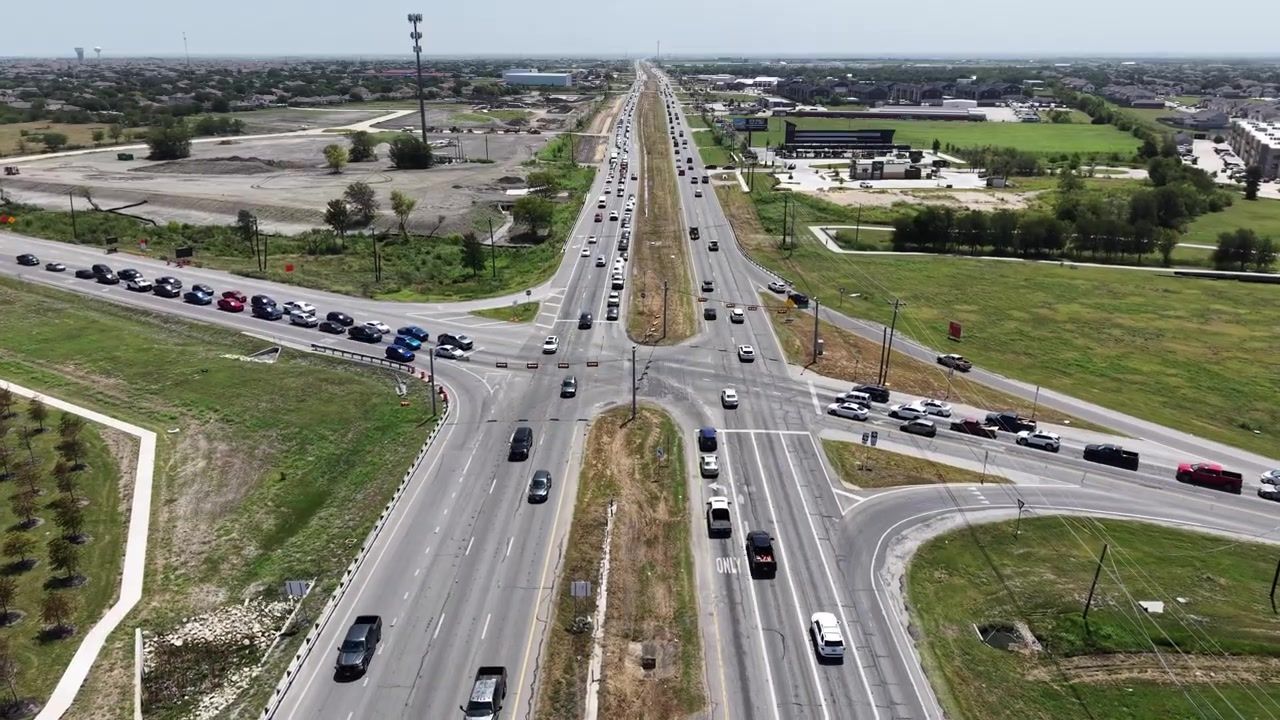
Manor is our hometown, and it's the closest suburb we cover to downtown Austin. That proximity is one of the biggest reasons buyers choose Manor, especially if they're commuting into the city regularly. We live in Shadow Glen, the most west and accessible neighborhood heading into Austin, so we're pretty familiar with what it's like to live here.
When you're evaluating a community in Manor, you need to consider the surrounding parcels and the transportation connections, including US 290 and the nearby State Highway 130 corridor. Look at traffic and whether any nearby development plans could affect how you enter or exit the community. Ask what gets built on neighboring land, because that can change over time.
When we moved to Manor, we had to wait for retail to catch up. It took years to build the H-E-B, Home Depot, and other stores at Manor Crossing. That's the reality of buying in a suburb that's still building out. You're not getting everything on day one, but you are getting closer proximity to Austin than you would in Georgetown or Hutto.
Shadow Glen: Where We Live
We live in Shadow Glen, which is the most west and accessible neighborhood in Manor heading into Austin. That location matters if you're commuting into the city, because it puts you closer to the entry points and major routes. We chose Manor because of that proximity, and because we wanted to be part of a community that was growing.
But we also understood that growth means ongoing construction, retail that takes time to open, and infrastructure that's still being built. If you're considering Manor, make sure you're comfortable with that trade-off. You're getting closer access to Austin, but you're also buying into a suburb that's still developing.
Future Development in Manor
Manor has development happening on multiple fronts, and buyers need to understand what's confirmed versus what's still proposed. We want to know what's documented, what's under construction, and what's still in the planning stages. Because an announcement is not the same as a completed project.
When you're evaluating a community in Manor, research the surrounding parcels and any available proposals or approvals. Look at the transportation connections and whether any nearby development plans could affect your commute or your neighborhood. Don't assume that every announced project will happen on the timeline you expect. Plans change due to financing, approvals, construction costs, and other factors.
That's why we like separating projects by what can actually be verified. In our development videos, we call it the dirt test. If you're going to tell me something's being built, I'd rather like to see some actual building. That's a reasonable request. If a project has active construction on site, we can evaluate the visible progress and the available documentation. If it's approved but work hasn't started, that is useful information, but there's still uncertainty about the timing. And if it's only a proposal or an announcement, you should be careful about assuming it will happen as described.
Which Austin Suburb Should You Choose?
We've compared the location, the homes, the property taxes, the builders, the amenities, and future development. Now it's time to pick the winner. Oh, Matthew, you cannot pick a winner without knowing who's buying. I guess that makes sense, but we've got to try. We can't do this alone, and I can explain why you're wrong.
Let's make it useful. We'll take three hypothetical buyers and see how their priorities change the comparison.
Buyer number one has a $450,000 budget, needs a home office, and travels to their workplace in North Austin. I start by identifying the actual available homes within that budget, then comparing the routes to that specific workplace. Georgetown isn't automatically the winner just because it's north of Austin, and it's one of the furthest suburbs away from downtown Austin. We need the specific community locations. Hutto or Manor wouldn't automatically be eliminated either, not until we've compared the relevant routes, inventory, and ownership costs. We love Manor as it's the closest suburb we cover to downtown Austin.
Buyer number two is relocating from another state, has a specific moving date, and wants a completed or nearly completed home. Now timing becomes one of the biggest factors. We compare the completed inventory homes in all three cities and find out which ones can realistically work with that timeline. Because a beautiful home scheduled for completion much later doesn't solve the immediate moving problem. We'd also want to review contract provisions relating to the completion process. This buyer may end up choosing a different city simply because it has the right home available at the right time. We have a lot of relocation buyers and we have to work with that. It can be stressful, and it's really stressful for the person who's moving across country. That's why having experienced agents who specialize in new construction can help you out.
Buyer number three has more flexibility and really cares about the lot, outdoor space, and ongoing monthly expenses. In that case, we'd take a close look at available lots, dimensions, surrounding land, property taxes, HOA dues, and the actual total price. We might find a specific home in Manor works better than the available options in Georgetown or Hutto, but we would need the actual property details before deciding.
Let's go back to our original budget. Three homes, one in each city, all hypothetically priced at around $450,000. How are we making the final decision?
- First, we compare the complete purchase prices, including any lot premiums and selected features.
- Then we get the actual financing information: same down payment assumptions and comparable loan terms.
- Then the tax estimates, insurance, HOA dues, and total expected monthly ownership costs.
- We'd look at the cash needed to close, including any builder incentives that apply.
- Then the floor plan and lot.
- Then the commute and regularly used destinations.
- Finally, after all that, we'd evaluate the community amenities, ongoing construction, and surrounding developments.
Now you have a comparison based on what you're actually buying, not just the price on the sign. But I think there's another point worth making. The answer might change by the time somebody is actually ready to buy. New construction inventory changes all the time. Builders may sell certain lots, introduce different floor plans, adjust their pricing, or change their incentives. Which means comparing three communities today doesn't guarantee the same options will be available months from now. They basically change every month, sometimes weekly, and sometimes daily.
That's one reason we want to know your actual timeline before recommending a specific home. If someone calls and asks us whether they should buy in Georgetown, Hutto, or Manor, we're not just going to pick whichever city had the nicest model home or whichever builder served the best snacks. The snacks are not a financial metric. I think my stomach would disagree. I still think they should get an honorable mention. We'll discuss that later.
The real answer comes down to your budget, your timeline, and the homes that are available, and the trade-offs you're comfortable making. So no universal winner? No universal winner. All right, I'd admit it. Admit what? That you were right. Oh yes, yes! Can we get that in writing? Absolutely not. I'll take it.
Conclusion
If you're trying to choose between Georgetown, Hutto, and Manor, people just like you have been reaching out to us with that exact question. The answer depends on your budget, your timeline, and which lots are left when you're ready. Tell us what you're looking for: your price range, when you hope to move, which communities you've been researching, and where you would need to travel daily. We can help you compare the actual homes, builders, taxes, lots, and surrounding development so you know what you're considering before you commit.
Please reach out to us before you visit a builder's model home, especially during an opening weekend. Many builders ask that your agent accompany you on the first visit, and we want you to understand their process ahead of time. Book a call with us before you visit a model home. Our contact information is on the screen, or you can call, text, or email us to set up a time.
We cover new construction across the northeast Austin suburbs every week. Subscribe for more community tours, builder comparisons, and development updates. Because the builder can show you the floor plan, we want to help you understand what comes with it, including the taxes, the lot, the commute, and whatever might be happening on the other side of that backyard. You really want to know what's behind every fence. I think you do too. Every single one.
We're Matthew and Alisha Wilson with the Austin Suburbs Team. When there's something new worth knowing about these communities, we want you to be the first to know because we like you.
FAQ
Should I pay a lot premium for a backyard view?
Before paying extra for a lot with a view, research what's actually behind your property line. Ask whether the open space is protected, part of another development phase, or land owned by somebody else. Get the information in writing from the builder, and check public records for any development applications on that parcel. Paying a lot premium doesn't give you control over land you don't own.
How do I compare builder incentives across different communities?
Don't assume a $20,000 incentive is the same across builders or communities. Ask whether the offer is a closing cost contribution or a price reduction, because they affect your finances differently. Find out if the incentive requires using a preferred lender, and whether it can be combined with other promotions. Compare the written financing terms, not just the advertised monthly payment.
What should I ask about community amenities before buying?
Ask what's completed, what's under construction, what's approved, and what's still proposed. Those are very different stages. Don't assume a picture in a brochure means the amenity will be finished when you move in. Review the HOA governing documents, dues, and restrictions, and find out which facilities are actually included for your property.
How do I know if future retail or development will actually happen?
Separate announcements from actual construction. If a project has active building on site, you can evaluate the visible progress. If it's approved but work hasn't started, there's still uncertainty about timing. If it's only a proposal, be careful about assuming it will happen as described. Plans change due to financing, approvals, and construction costs. Don't make your purchase decision depend on something that hasn't been built yet.
Does new construction inventory change often?
Yes. Builders may sell certain lots, introduce different floor plans, adjust pricing, or change incentives. Inventory can change monthly, weekly, or even daily. That's why comparing three communities today doesn't guarantee the same options will be available months from now. Work with an agent who tracks inventory regularly and can help you move quickly when the right home becomes available.
Should I visit model homes on my own or with an agent?
Reach out to us before you visit a builder's model home, especially during an opening weekend. Many builders ask that your agent accompany you on the first visit. We want you to understand their process ahead of time, and we can help you compare the actual homes, builders, taxes, lots, and surrounding development before you commit.

Alisha & Matthew Wilson
With years of experience in both residential and investment properties, they are dedicated to helping clients navigate Austin’s thriving market.

LIVING IN Austin TX
Specializing in relocation, they provide expert advice and guidance to help you find your dream home in the vibrant Austin metro market. Tune in for helpful tips, neighborhood tours, and insights on living in the Austin suburbs.