
Georgetown has been getting a lot of attention lately. You see the viral clips of the historic square, you see the new homes, you hear the promises. But if you are truly thinking about living in Georgetown TX, the real question is not what it looks like on a postcard.
It is what is happening underneath the surface in 2026. The housing market is shifting in a way that can create real buyer leverage. At the same time, the city is growing fast enough to force major infrastructure changes, especially around water. And the local economy is starting to look less like a retirement stop and more like an actual job hub.
Here is the full, practical breakdown, including the numbers, the neighborhood considerations, and the “do not miss this” items that can change what you end up paying.
Table of Contents
- Introduction to the 2026 Georgetown Market
- The Affordability Shift
- The Infrastructure Truth: Water and Growth Pains
- The Economic Boom: Not Just Sun City Anymore
- The Future of Downtown: SU 560 Mega-Project
- Neighborhood Spotlight: Where to Look in Georgetown in 2026
- What It's Like to Live in Georgetown, TX
- FAQs About Living in Georgetown, TX
- FAQ
Introduction to the 2026 Georgetown Market
The headlines make Georgetown sound like a simple story: charming small town, new construction showing up, prices moving. But 2026 is not that simple. The market is reacting to two big forces at once.
- More inventory and more accessible pricing are changing the affordability math.
- Major infrastructure upgrades are changing your ongoing monthly cost structure.
So while some parts of the market feel more “buyer-friendly” than they have in years, other parts require a strategic mindset. This matters because Georgetown is no longer just a place people visit for weekends or retirement peace. A Fortune 500 tech company has landed in town, and that changes who is buying, how fast the city grows, and what kinds of amenities get built next.
If you buy a home expecting a 2020 version of Georgetown, that assumption will not hold up. The growth is real, but so are the budget impacts if you ignore the details.
The Affordability Shift
Let’s start with the part that makes people perk up right away: the pricing trend.
Based on early 2026 data, the median sales price in Georgetown is down to about 405000. That sounds alarming if you only look at headlines, but it is not the same thing as “everything is collapsing.”
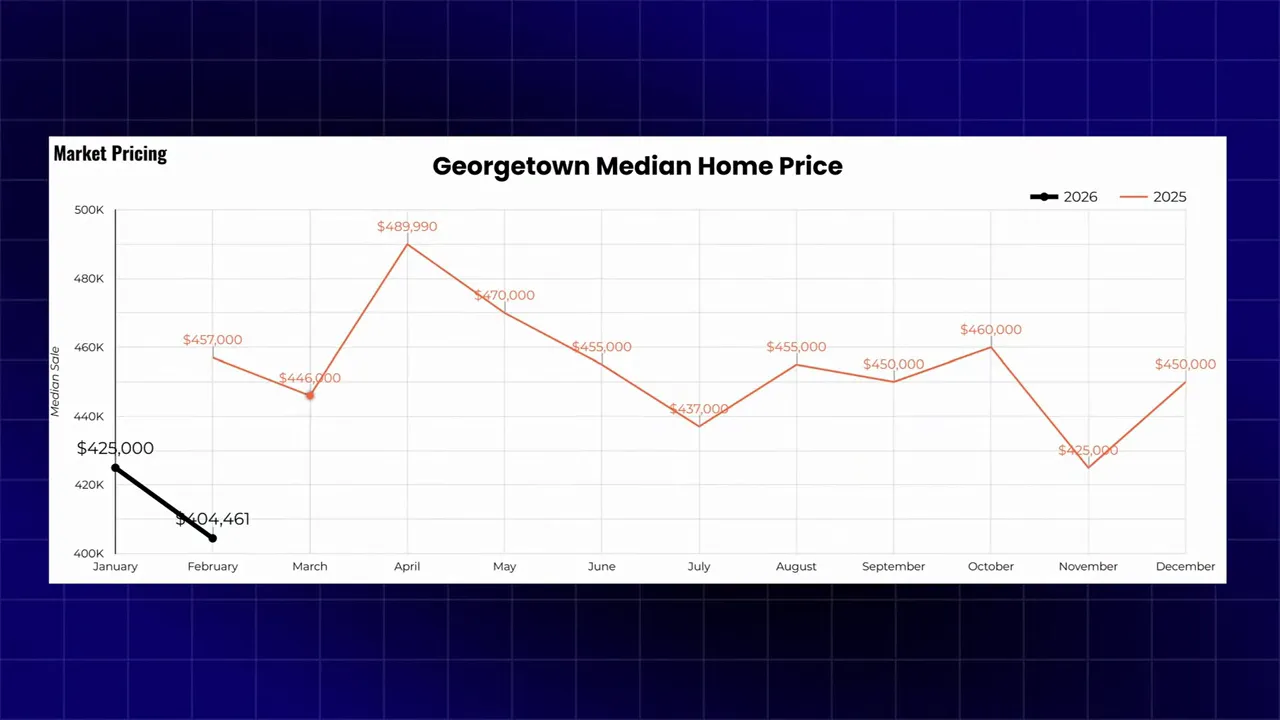
Alicia and Matt call this out clearly: this is a shift in what is being built and what people are buying, not some universal “houses are suddenly worth less” situation.
Why the median price dropped
For a long time, builders were focused heavily on high-end luxury developments because demand from out-of-state tech workers was intense. In 2026, builders are adjusting.
They have started pushing more entry-level construction. Instead of everything being priced at the top end, more homes are landing in a more approachable range.
In the areas being discussed, you are seeing more inventory come online in the 350000 to 450000 range. Neighborhoods mentioned include Morning Star and a newer, more affordable section of Wolf Ranch.
That influx pulls the overall median price down mathematically. But it does not mean a 700000 home suddenly “became” a 500000 home. It means the mix of inventory shifted, and buyers now have more options that fit real budgets.
Buyer market leverage: the six-month supply signal
The other big number that changes the vibe: Georgetown is sitting on over six months of housing supply. In plain terms, that is a classic sign of a buyer market.
This is why the tone is different here. When supply is that high:
- You are less likely to be competing with a tidal wave of cash offers.
- You can often negotiate like a “normal” transaction.
- You are not forced into waving contingencies just to get a house under contract.
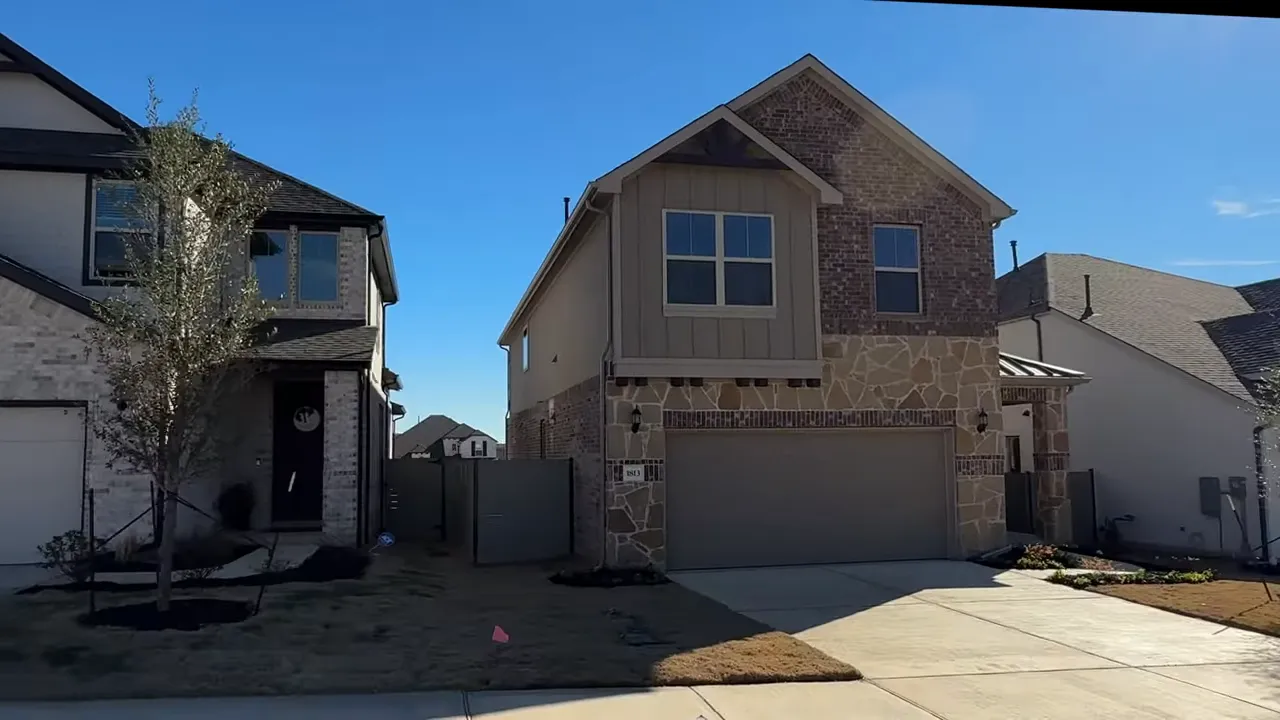
What you can negotiate in 2026
The leverage is not just about price. It is about deal structure. The negotiation ideas that came up include:
- Closing costs
- Design center credits
- Rate buydowns (one of the biggest monthly payment levers)
One of the most practical points is this: builders are highly motivated to move standing inventory. They do not want empty houses sitting on their balance sheets. Sometimes that motivation shows up as rate buy downs that can be meaningful, even around a full point or more, just to make the monthly payment work.
Do not walk into the model home alone
This was one of the sharper warnings in the entire discussion. If you walk into a model home by yourself, the sales rep is friendly, but they are working to protect the builder’s bottom line.
There is an example referenced where a buyer approached the builder directly and was told there would be no negotiation on a build that is from the ground up. The situation flipped after representation got involved, and negotiation started.
The underlying message: builders will tell you what is best for them. That is not personal. It is their job. Having an agent who knows the area and has relationships with builders can help uncover incentives and get you the terms that actually change the cost.
And yes, sometimes you ask and the answer is no. But if you never ask, you never find out what you could have gotten.
The Infrastructure Truth: Water and Growth Pains
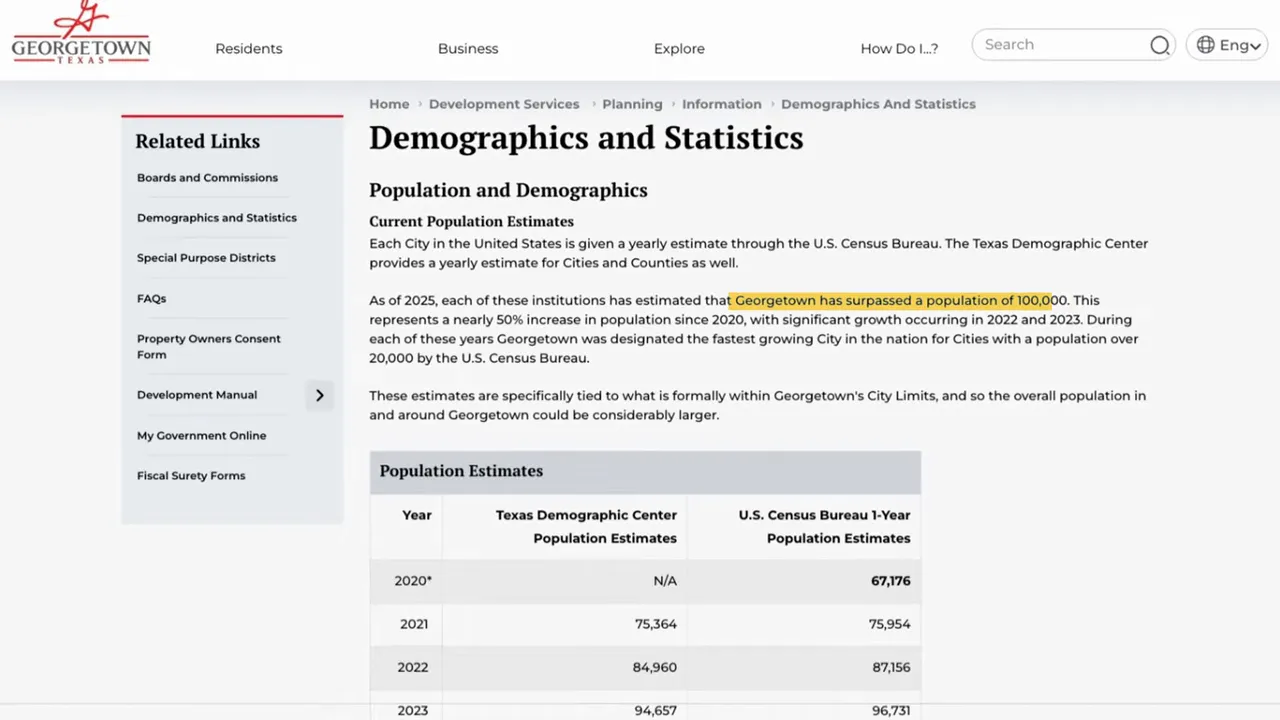
Here is the less glamorous side of living in Georgetown TX. Growth brings benefits, but it also breaks things temporarily. The city has officially crossed the 100000 resident mark, and that pushes systems that were built for a different pace.
The biggest hidden truth that matters to your monthly budget is the overhaul of the water utility system.
Water costs are projected to jump
Georgetown is projecting total water cost (including debt pay off for new infrastructure and securing new water sources) to reach 138 million by 2030.
Water is serious business in Texas. Because of that, the city is changing how it charges and how it plans for demand, moving heavily toward a usage-based model.
Base rates vs volumetric charges
In practical terms, that means your bill can rise in a way that is not just about the base connection fee. The discussion emphasized two parts:
- Base rate for being hooked up to the systems may rise slightly
- Volumetric charges are where it gets painful, because they are tied to how many gallons you use
Volumetric charges are the amount you pay based on your actual usage, and those rates are expected to increase significantly over the next few years.
What this means if you want a lush yard
If you want a green lawn during a brutal Texas summer, you should assume you are going to pay a premium.
The warning is straightforward: if you water your lawn every day, you are likely breaking the conservation rules. And even if you are not trying to “break” rules, the city’s move toward conservation pricing means higher use equals higher cost.
So when you are looking at model homes and master plan communities with big landscaping dreams, you have to factor in these new utility tiers before you commit to a home with a larger yard.
Budget reality check: plan for landscaping differently
There are practical alternatives mentioned like zero-scaping and native Texas landscaping. And there is also HOA pressure that can limit your ability to change the look.
One example shared: an HOA did not allow artificial grass or certain “rock grass” yard alternatives in the way the homeowner hoped. That matters because it affects whether you can align the landscaping you want with the water usage rules you need.
Construction traffic is the daily soundtrack
Water is not the only pain point. The sheer volume of construction is forcing ongoing road expansion and detours. Major arteries mentioned include Highway 29 and Williams Drive.
If you commute across town east to west, expect more orange cones, lane closures, and frustrating delays. The transition period is messy. It is the cost of growth when population expands faster than infrastructure can always keep up in real time.
That does not mean growth is bad. It means you need patience. If you see roads being expanded and planning happening, that is usually a positive sign. But you should treat 2026 as an active construction period, not a quiet “country road” experience.
The Economic Boom: Not Just Sun City Anymore
Georgetown used to have a reputation across Texas as a quiet retirement haven, largely because of Sun City, a 55-plus active adult community that shaped culture and politics for decades.
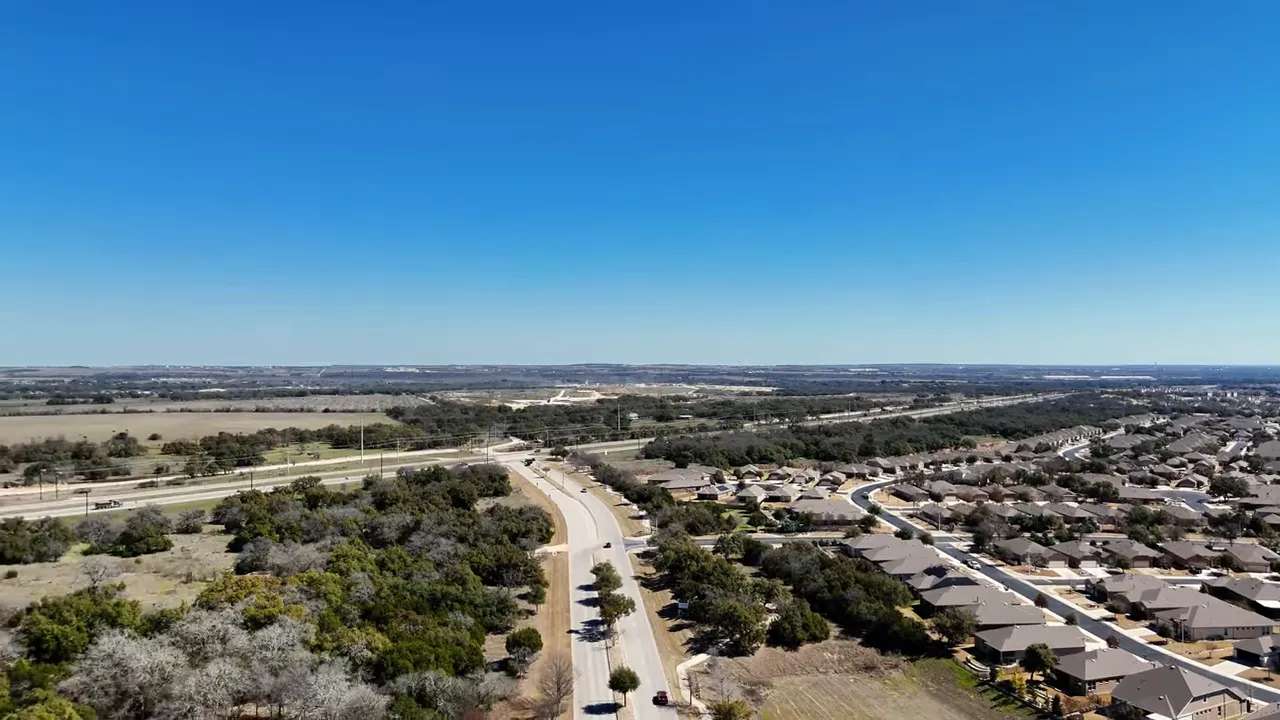
In 2026, that narrative is changing. Georgetown is increasingly becoming a real economic and tech hub.
Pegatron and the Fortune 500 shift
The biggest news mentioned: Pegatron, a global Fortune 500 technology and artificial intelligence company, acquired a 168000 foot facility in Georgetown. The deal was described as an 85 million investment and expected to bring hundreds of high-tech, high-paying jobs.
And Pegatron is not the only signal. The discussion also points to more tech professionals, engineers, and younger achievers moving in to be closer to new job hubs.
A different kind of demand for amenities
When younger demographics arrive, they do not just want a home. They want:
- modern amenities
- better coffee shops
- craft breweries
- a faster, more vibrant pace of life
The cultural shift described is from slow and sleepy to more energetic, while still keeping historic small town charm.
You still get the historic town square and the red poppy festival in spring. But now you also get cutting-edge tech jobs in the backyard.
More resilient local economy
Another underrated piece is tax base diversification. The city is not relying solely on residential property taxes the way it may have in the past. With commercial and industrial developments like Pegatron, the tax revenue base becomes more resilient.
That can matter if the broader housing market slows down. If jobs are still strong locally, the entire community does not feel the same shock.
The Future of Downtown: SU 560 Mega-Project
If there is one development discussed that could change Georgetown’s lifestyle and entertainment options fast, it is SU560.
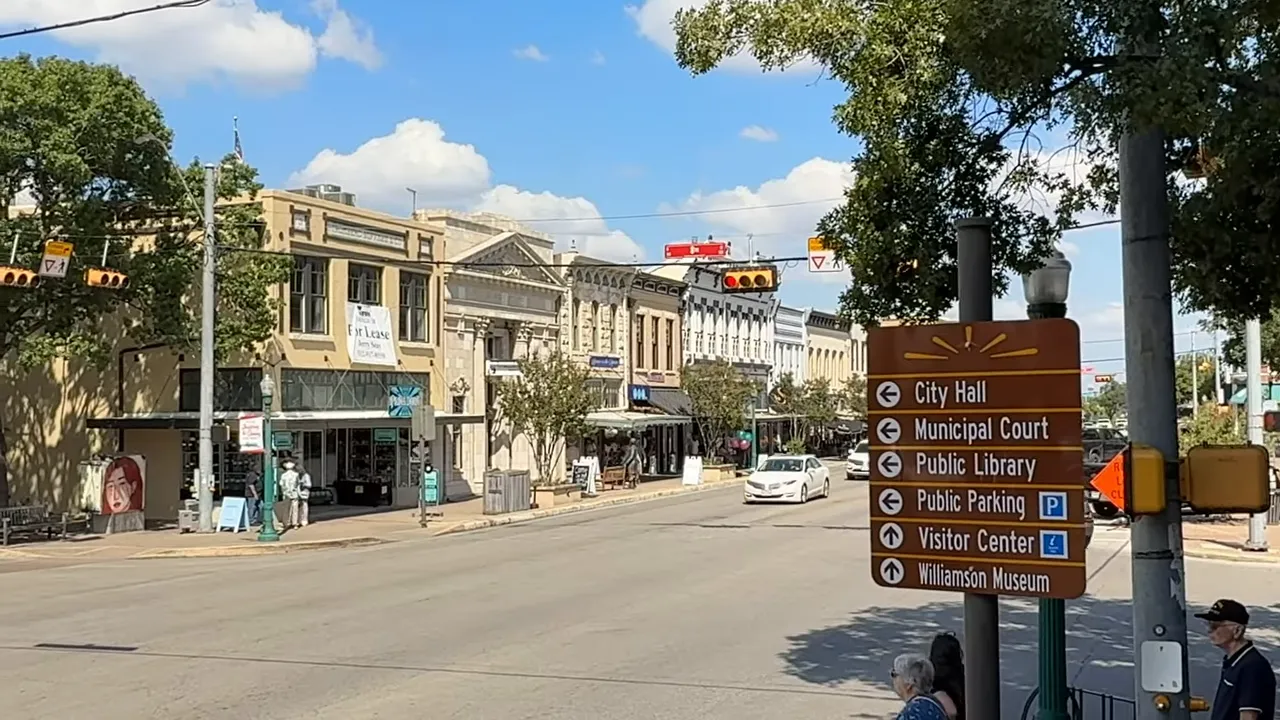
This project is described as a partnership between Southwestern University and the city of Georgetown, building a massive 560 acre live work play district right next to the college campus.
What SU560 includes in phase one
Phase one includes:
- a 110,000 square foot luxury hotel
- 45,000 square feet of retail space
- a state-of-the-art music hall
- high-end apartments
- 35 acres of open green space
- a massive public plaza designed for community events
The core point is that Georgetown is building its own walkable urban style district in the heart of the city. And the focus on green space is a big deal, since for years the “walkable vibe” required driving south to Austin or Round Rock.
Why location near SU560 matters for buyers
The expectation shared is that this kind of lifestyle development can push property values up in surrounding neighborhoods. That is not guaranteed, but it aligns with the idea that new entertainment and walkable district upgrades tend to create demand.
It also changes the weekend pattern. Instead of Georgetown residents driving out for experiences, people from other suburbs may start driving in.
Neighborhood Spotlight: Where to Look Georgetown in 2026
So where should you be looking? The answer is not “one neighborhood for everyone.” It depends on the lifestyle you want and the budget you can actually maintain given utilities, taxes, and the realities of new builds.
That said, three master planned communities dominated the conversation.
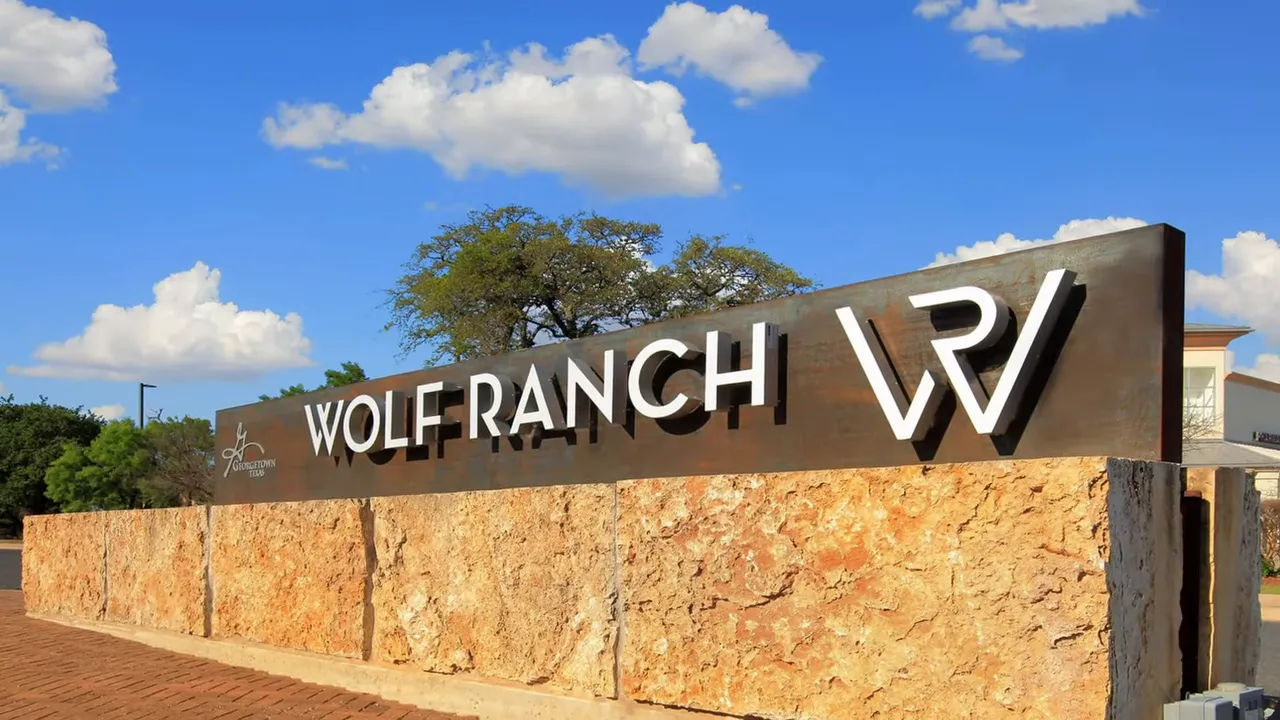
Wolf Ranch
Wolf Ranch is framed as the king of master plan amenities in the Georgetown area.
What makes it stand out in the discussion:
- premium builders and elevated views of the St. Gabriel River
- a massive community center
- an infinity pool overlooking the river
- an on-site lifestyle director planning events weekly
- lots of built-in social opportunities, which helps residents meet neighbors
Because demand is high, the warning is that you may need to negotiate more aggressively on lot premiums, especially for top views.
Parkside on the River
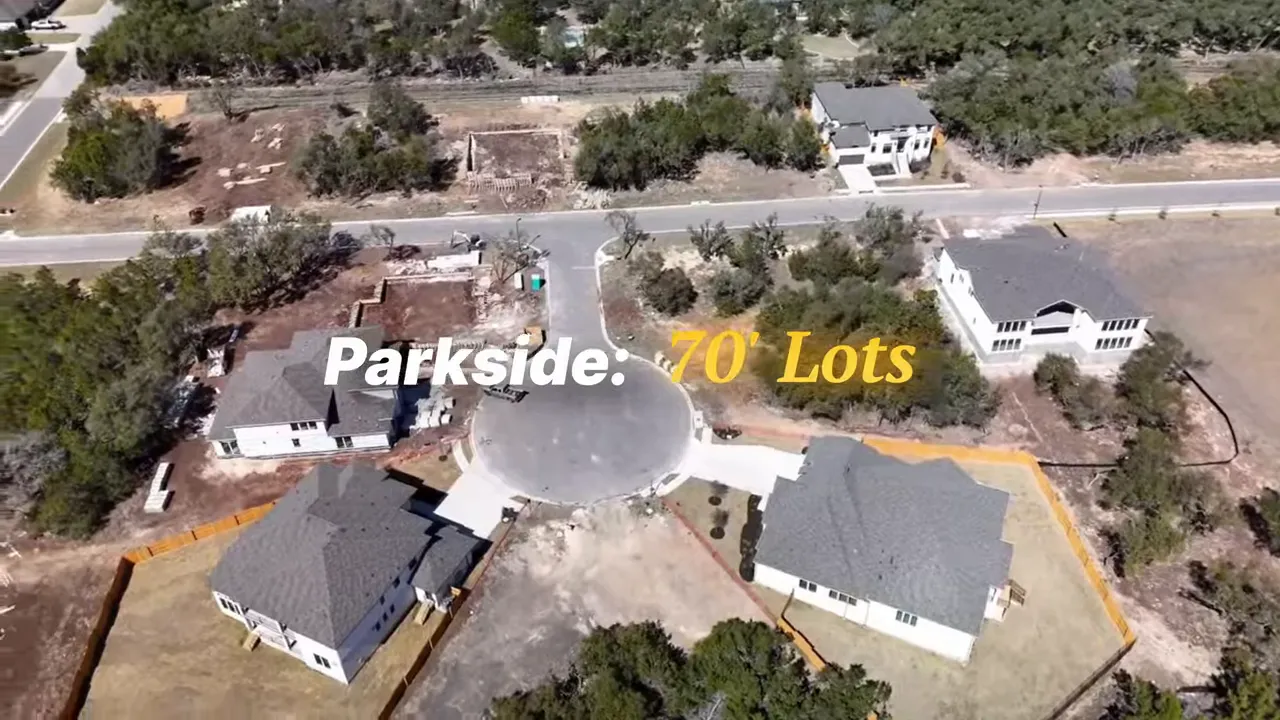
Parkside on the River is described as a better fit if you want more physical space.
Highlights included:
- it is a massive 1500 acre new development
- lot sizes up to about 70 feet wide
- direct access to nature trails and the river
The key caution: infrastructure is still heavily developing. You should expect construction traffic and road expansions during the build-out period.
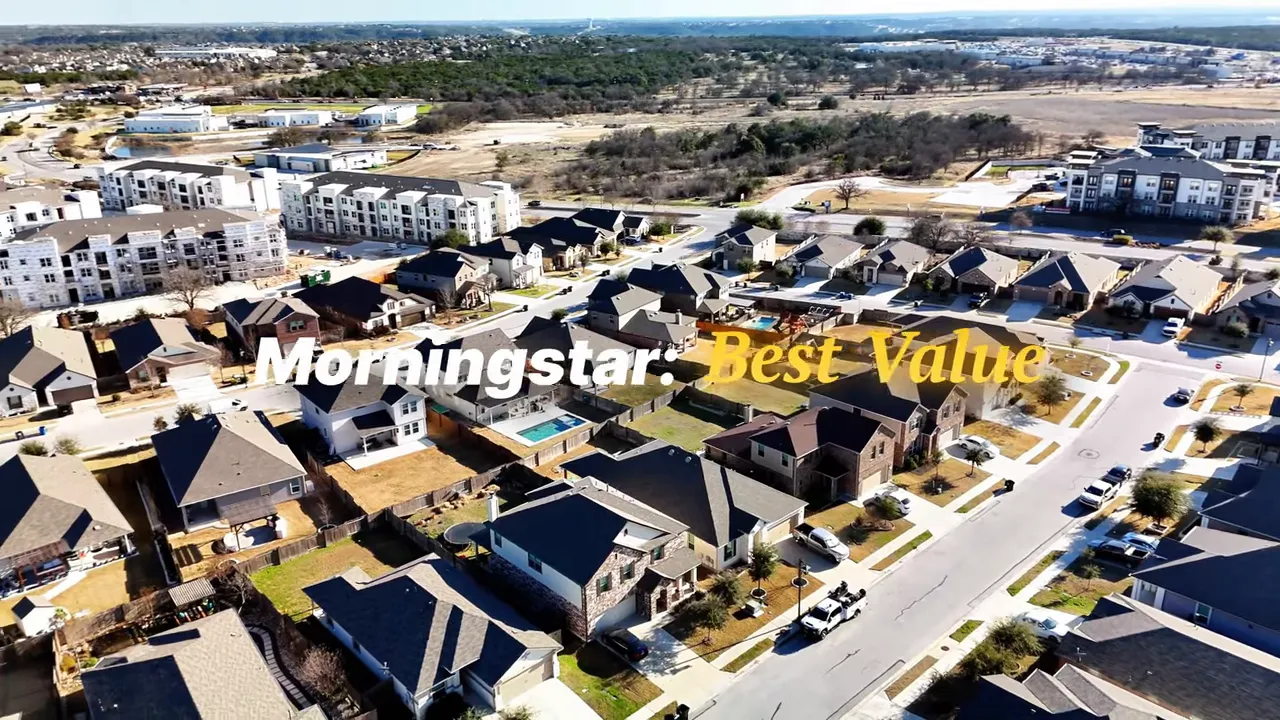
Morning Star
Morning Star is tied directly to affordability shifts. It is discussed as offering excellent entry-level and mid-range new construction value.
There is also a timing detail: the community is described as closing out, which means fewer opportunities may remain as the neighborhood winds down.
The tradeoff mentioned is that Morning Star is further out on the edge of town, so commuting into Austin may take longer. The “value for your dollar” argument is that home prices can be more accessible in exchange for that commute time.
The key rule: do not shop the base price alone
This might be the single most important buyer checklist item in the neighborhood section.
You cannot just look at shiny model homes and the base price on flyers. You need to investigate:
- mud and pit fees
- property tax rate for the specific section of the neighborhood
In some new builds, total tax rates can approach 2.8%, which can drastically change monthly payments compared to older established neighborhoods.
The point is not to discourage you from new construction. It is to avoid surprise costs 6 months after you move in. The advice was to pull a full detailed tax estimate for every client before making an offer.
What It's Like to Live in Georgetown, TX
It is easy to pitch Georgetown as quiet and charming. The lifestyle piece is real, but it is also evolving. Here is the picture that was shared for a “typical Saturday” lifestyle in a new Georgetown community like Wolf Ranch.
- Wake up, get coffee, and start local instead of fighting Austin traffic.
- Walk your dog along trails connected to the South Fork of the San Gabriel River.
- Then head to the historic square for iced lattes and pastries.
- Browse local shops for about an hour without the crowding and parking headaches you might experience in other high-traffic Austin areas.
- In the afternoon, you might head to Lake Georgetown for boating, paddleboarding, or the 26 mile loop for hiking.
- In the evening, dining options have expanded beyond fast food, including high-end steak, textural local cuisine, craft beer, and live music.
And once SU560 finishes, the evening plan gets even better with a dedicated music hall and more upscale dining options.
The overall vibe described is “relaxed but never boring.” You get suburb peace with city-level entertainment upgrades arriving over time.
Final Recap & The Save Thousands Promise
Here is the unfiltered verdict on moving to Georgetown TX in 2026.
The pros
- Influx of high-paying tech jobs
- Buyer leverage due to inventory conditions
- Walkable district upgrades like SU560
The cons
- Rising water utility cost with a usage-based pricing model
- Constant construction and traffic impacts on major roads
- High mud and pit fees and higher taxes in new builds
So yes, it is an incredible place to live. But it requires strategy.
How to potentially save thousands in the Georgetown new build market
The “save thousands” promise comes with a very clear tactic: never walk into a new construction builder office alone without representation.
The core reason is simple. Builders often sit on deep inventory and may offer hidden incentives that are not advertised up front. These can include:
- rate buy downs
- full closing cost coverage
- design center credits
Sometimes the builder will say no. But as emphasized, you do not know what you can get until you ask. And if you do ask with the right approach, you can change the numbers in a way that affects not just the price, but your monthly payment.
On top of that, the advice included a caution about agent quality. Not all agents are created equal. The market knowledge and builder relationships can determine which levers you can pull.
If Georgetown is on your radar and you want to move with confidence in 2026, we’re here to help—buyers, sellers, and anyone navigating the changing market. Call or text us at 512-648-2828 to book a quick consultation and get tailored guidance on neighborhoods, pricing, builder incentives, and next steps.
FAQs About Living in Georgetown, TX
Is Georgetown TX still a quiet retirement town in 2026
Not really. Sun City helped shape Georgetown for decades, but 2026 growth shows a meaningful shift toward tech jobs and a more vibrant, modern demand for amenities.
Did Georgetown home prices crash in 2026
The median sales price is down to around 405000 based on early 2026 data, but the explanation given is an affordability shift from new construction mix, not a universal devaluation of higher priced homes.
Why is the median price going down
More entry-level homes are coming online in the 350000 to 450000 range, which pulls the overall median down mathematically without necessarily changing the value of higher-priced homes.
What makes 2026 favorable for buyers
Georgetown is reported to have over six months of housing supply, creating a buyer market where negotiation is more realistic and you may not face the extreme bidding dynamics of earlier periods.
How will rising water costs affect people living in Georgetown TX
The city is moving toward a usage-based model with higher volumetric charges. If you use more water, especially for frequent lawn watering, your monthly bills can increase significantly.
What should I ask about before buying new construction in Georgetown
Do not rely on the base price alone. Investigate mud and pit fees and confirm the specific property tax rate for the section of the neighborhood, since totals can approach 2.8% in some new builds.
Are commute times from Georgetown into Austin always easy
Commute times can be challenging during peak rush hour if you are driving into downtown Austin regularly. Many people described as moving to the area are fully remote or hybrid. For commuting near the North Austin tech corridor, routes like State Highway 130 can reduce time.
How do I potentially save money on a new construction purchase
The advice given is to bring representation. Builders may offer incentives like rate buy downs, closing cost coverage, and design center credits that are not always advertised up front.
Read More: Why Everyone’s Moving to Georgetown TX? | The Best Austin Suburb to Live In