
Table of Contents
- Introduction
- Anderson Square Revitalization: North Austin's New Mini Downtown
- Major Retail Openings in Manor, TX
- Pflugerville's Downtown East: Rapid Progress and Future Vision
- Georgetown TX Entertainment District
- Round Rock TX Old Settler’s Park Expansion
- Hutto, TX Growth: New Shopping Centers and Job Opportunities
- How These Projects Change the Suburban Map
- Actionable Checklist for Buyers
- Neighborhood Fit: Quick Comparisons
- FAQs
- Final Thoughts
Introduction
moving to Austin metro is about more than choosing a neighborhood. The next 18 months will reshape commute patterns, retail access, and the suburban hierarchy that buyers use to pick a home. A handful of projects—some already breaking ground, some finally approved after years of debate—are about to change where people want to live and what they expect from a suburb.
If you are considering moving to Austin metro, these are not hypothetical masterplans. Several developments have cleared major hurdles: approvals, financing, or even streets and utilities. That means the ripple effects—new grocery options, entertainment districts, and improved trails—will be felt in 2026 and beyond. This guide walks through each major change, why it matters for buyers, and how to turn those changes into decisions that match your budget, commute tolerance, and lifestyle.
Anderson Square Revitalization: North Austin's New Mini Downtown
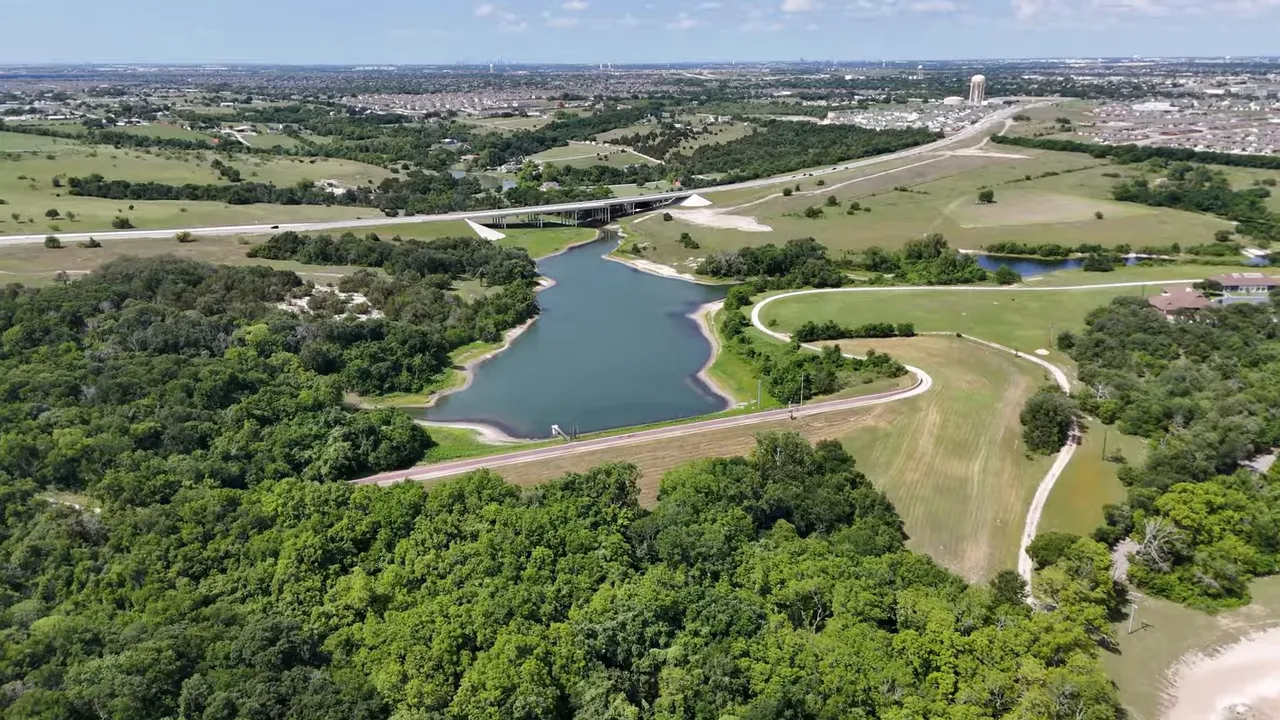
The most consequential decision for anyone moving to Austin metro north of the city is the green light for Anderson Square. What was nine acres of cracked parking lot at Anderson Lane and Lamar Boulevard is being reimagined as an urban village: multi-story grocery, cafes, parks, and up to 2,400 homes paired with 2.4 million square feet of office, retail, and hotel space.
This project does three things all at once. First, it densifies North Austin in a way that wasn't previously allowed. Four potential 20-story towers, a new street grid, outdoor patios, and a pocket park change the character from a strip center to a walkable neighborhood core. Second, it invests in regional connectivity—part of the plan pushes funds toward the Red Line Parkway, a 36-mile trail linking downtown Austin to Leander. Third, it codifies a preference for local retail: at least half the retail square footage is reserved for independent businesses.
For buyers thinking about moving to Austin metro, that combination matters. More density inside Austin proper pushes price pressure and demand outward. Suburbs that sit along the natural growth corridors north and northeast of the city will feel this first. If you want cheaper square footage and a quieter street, but still want access to downtown-ish amenities, watching how neighborhoods near Anderson Lane evolve should be on your checklist.
Major Retail Openings in Manor, TX
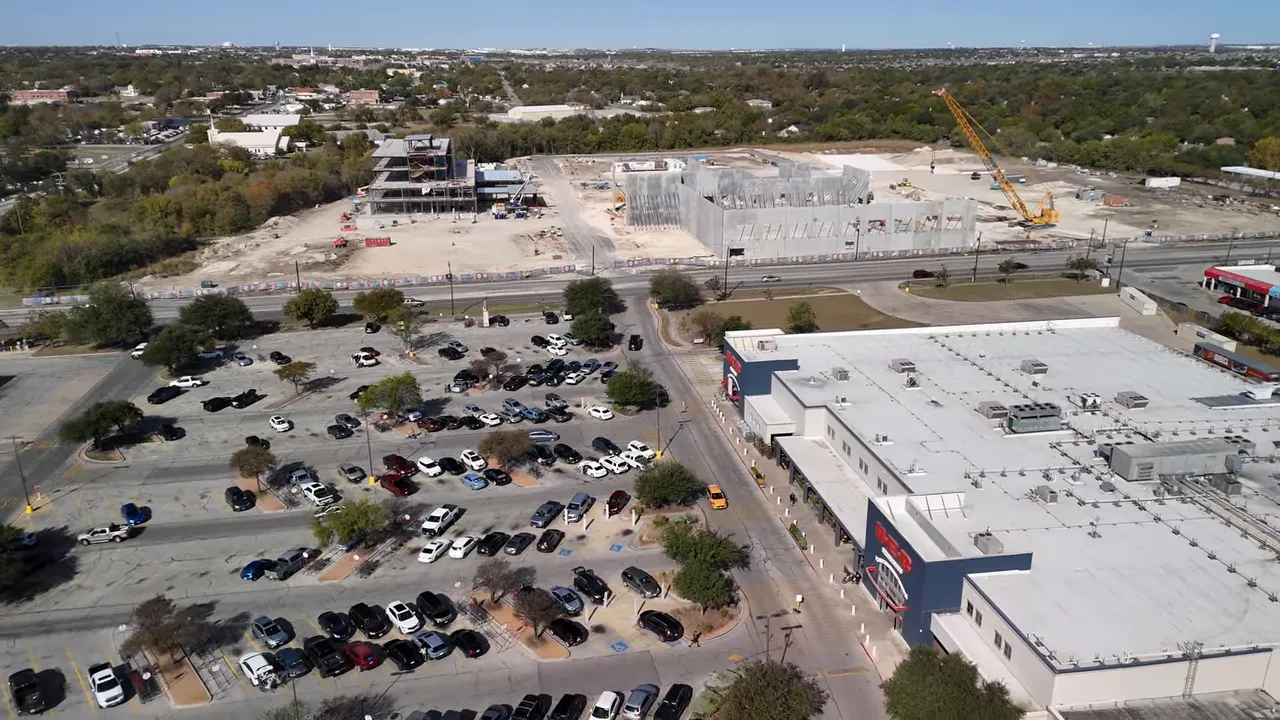
Manor went from "you have to drive to Austin for basics" to "it has a first-class retail node" in the span of a few months. Manor Crossing opened with national brands that traditionally wait for larger populations. The arrival of Hobby Lobby, TJ Maxx, Chick-fil-A, Chili's, and Chipotle—plus fast-casual names like Tropical Smoothie Cafe—fundamentally alters daily life for residents.
Retailers do not show up without demand. The home-building wave east of 290 and up TX-973—new neighborhoods like New Haven and Okra—has created that demand. For anyone planning moving to Austin metro and considering Manor, the gap that once slowed prospective buyers is closing. Convenience for errands, more dining options, and nearby shopping accelerate the suburb's ability to attract families who previously bypassed it.
Bottom line: Manor is now a contender with Pflugerville and Georgetown for buyers who want growth, affordability, and improving retail options.
VIEW HOMES FOR SALE IN MANOR, TX
Pflugerville's Downtown East: Rapid Progress and Future Vision
Pflugerville's Downtown East has moved remarkably fast. What was dirt months ago now shows framing, a plaza taking shape, and the City Hall structure topped out. The Monarch building is rising, the main street extension is under construction toward FM 685, and a parking structure signals that the district is preparing for real activity.
Phase 1 remains on track for fall 2026. The difference between a plan on paper and physical structures is huge for people moving to Austin metro. When you can see the street network, a transit-friendly grid, and functioning public spaces, prospective buyers begin to treat the area as an actual lifestyle destination—not just a future possibility.
Another important development: North Point, once considered dead in the water, is back with a new design that fixes the layout and traffic problems that stalled it. The revamped plan provides a pedestrian-friendly grid, stronger retail frontages along FM 685, larger central greens, and redesigned stormwater areas that free up usable land. This version is pitched to attract the types of brands and tenants that make a shopping district work from day one.
For anyone moving to Austin metro, Pflugerville will soon offer two complementary hubs: Downtown East as the civic and community center, and North Point as a northern shopping and lifestyle destination.
VIEW HOMES FOR SALE IN PFLUGERVLLE, TX
Georgetown TX Entertainment District
Georgetown is stepping into a new category: a suburb with a purpose-built entertainment district. The Junction just broke ground and already has nearly every restaurant space leased before the walls are up. Wholly Cow Burgers, Sweet Lemon Kitchen, King’s Chicken Wings, Doughgo Pizza Shops, and others committed early because the location sits across from GAF Energy’s 450,000 square-foot factory, which will employ thousands.
The Junction promises nearly 60,000 square feet of restaurants, bars, patios, and office space, plus a 5,700 square-foot dining hall, multiple full-service bars, an LED screen for sports, a live music stage, pickleball courts, and a series of terraces and cabanas. Offices open in early 2026 and the entertainment lineup debuts in summer 2026—perfect timing for the next moving season.
Georgetown’s plan is a textbook example of building to demand. The nearby factory creates guaranteed daytime traffic; the mixed-use nature generates nighttime and weekend energy; and the site’s position on I-35 near Blue Springs Road means more than 100,000 cars pass daily. For buyers considering moving to Austin metro, Georgetown now offers a suburban feel with urban-style amenities and a lively weekend scene that previously required driving to Round Rock or Austin.
VIEW HOMES FOR SALE IN GEORGETOWN, TX
Round Rock TX Old Settler’s Park Expansion
Round Rock is investing public dollars where residents actually spend their time. Voters approved $230 million for parks and recreation across the city; the largest chunk—more than $151 million—goes to Old Settler’s Park. The plan upgrades the sports complex, expands Rock’n River waterpark, and adds an athletic performance center among eleven projects.
The Lake View Pavilion and a permanent stage already opened with fireworks and community events. That permanent infrastructure reduces rental costs for events and lets the city host more festivals and concerts. Officials expect current annual visitors—about 2.5 million—to grow toward 4.5 million once the buildout completes, with major construction phased to finish by summer 2027.
For families moving to Austin metro, Round Rock is a reminder that long-term quality of life can come from municipal investment. Good parks, programmed events, and facilities for youth sports all contribute to neighborhood desirability and keep resale value healthy.
VIEW HOMES FOR SALE IN ROUND ROCK, TX
Hutto, TX Growth: New Shopping Centers and Job Opportunities
Hutto quietly crossed a major milestone: Krueger Boulevard opened, which serves as the connector that unlocks a 1,400-acre employment and development site. That single road changes everything. It gives developers and employers true access and traffic flow, which catalyzes actual construction instead of paper planning.
Immediate results are visible on paper and in permits: a massive data center under construction, ASML expanding at the co-op district, and a new shopping center anchored by Sprouts Farmers Market planned at SH 130 and Highway 79. Sprouts is slated for roughly 23,000 square feet, and filings indicate a target opening in 2026. The retail center spans about 25 acres with room for approximately 25 tenants, multi-tenant restaurant buildings, and four pad sites for banks, coffee, and drive-thru concepts.
That intersection sees north of 100,000 cars per day. When a grocery store and dozens of tenants arrive at such a visible location, the area immediately becomes a retail hub for nearby neighborhoods. For anyone moving to Austin metro with a mind toward job proximity or reduced grocery travel, Hutto is emerging as a front-runner.
VIEW HOMES FOR SALE IN HUTTO, TX
How These Projects Change the Suburban Map
Here are the practical shifts to expect if you are thinking about moving to Austin metro in 2026:
- Shift in commute flows — New offices and factories will create reverse-commuting patterns and new peak corridors. Consider traffic during morning and evening peaks around I-35, SH 130, and FM 685.
- Retail clustering — Sprouts in Hutto and Manor Crossing remove the grocery excuse for living closer to Austin, making outlying suburbs more self-sufficient.
- Value corridors — Areas directly adjacent to walkable mixed-use developments will see faster appreciation than deeper, car-dependent pockets.
- Quality of life — Park upgrades in Round Rock and entertainment districts in Georgetown are lifestyle multipliers that sustain long-term demand.
Actionable Checklist for Buyers
Use this checklist when evaluating suburbs if you are seriously considering moving to Austin metro:
- Map your commute windows and test-drive routes during peak hours.
- Prioritize proximity to planned retail and parks if you want fewer errands into Austin.
- Ask about utility capacity and planned road improvements for new communities.
- Check school zones and planned boundary changes tied to growth corridors.
- Confirm timeframes: many openings target 2026; align your moving calendar to benefit from new amenities.
Neighborhood Fit: Quick Comparisons
If you want a quick sense of which suburbs benefit most from the coming wave:
- Manor — Retail access is now a selling point. Good for families seeking affordability with improving convenience.
- Pflugerville — Strong civic investment and new mixed-use hubs. Great for buyers who want walkable community centers.
- Georgetown — Rapidly developing nightlife and dining; ideal for buyers who want a lively local scene without driving to Austin.
- Round Rock — Institutional investments in parks; excellent for families and long-term appreciation.
- Hutto — Job growth plus grocery and retail anchors; emerging as a regional hub for the northeast corridor.
What to Watch Next
Key milestones to monitor if you are planning moving to Austin metro in the near term:
- Tenant announcements for North Point and the SH 130/79 center.
- Construction schedules for Anderson Square towers and the Red Line Parkway segments.
- Opening dates for Georgetown Junction entertainment and Round Rock park phases.
- Traffic studies and new signalization once Krueger Boulevard sees more demand.
FAQs
How quickly will these developments affect home prices near them?
Developments that add grocery, retail, and employment tend to affect nearby home values within 12 to 24 months. Projects that create daily convenience or major employers often show measurable price appreciation sooner because they reduce friction for buyers deciding where to live.
Which suburb gives the best balance of affordability and new amenities?
Manor and Hutto are currently the best bets for buyers who want a lower purchase price while benefiting quickly from new retail and job growth. Pflugerville and Round Rock provide more established infrastructure with direct investments that preserve quality of life.
Should I prioritize proximity to future mixed-use centers when choosing a home?
Yes. Proximity to mixed-use centers often means better walkability, shorter errands, and stronger resale demand. If your budget allows, being within a 10- to 15-minute drive of these hubs balances lifestyle and affordability.
How can I stay updated on openings and tenant announcements?
Follow local planning commission notes, city council agendas, and community builder updates. Subscribing to neighborhood newsletters and following active local real estate professionals who track development timelines helps you get timely alerts.
Is moving to Austin metro still affordable in 2026?
Affordability depends on the suburb you choose and how flexible you are on commute time. Newer suburbs farther from central Austin tend to offer larger homes for less money, especially if you prioritize access to new retail and employment nodes over proximity to downtown.
Final Thoughts
The 2026 surge of projects across North Austin and the northeast suburbs changes the calculus for anyone moving to Austin metro. Rather than picking a suburb solely on the current inventory, consider where investment is being placed: grocery anchors, employment campuses, entertainment districts, and major park upgrades will define livability and resale value for a decade.
Look for places that are building connections—a street grid, new trails, and transit investments—because those are the areas that become real neighborhoods, not collections of subdivisions. If you keep an eye on tenant announcements and streets being put in, you can time a move to maximize convenience and capture appreciation while still finding a price point that works for you.
Good luck as you plan your move. The map of where people want to live in Austin metro is changing faster than many expect and knowing where growth lands will make all the difference. If you need help buying a home, contact me — call or text: 512-648-2828.